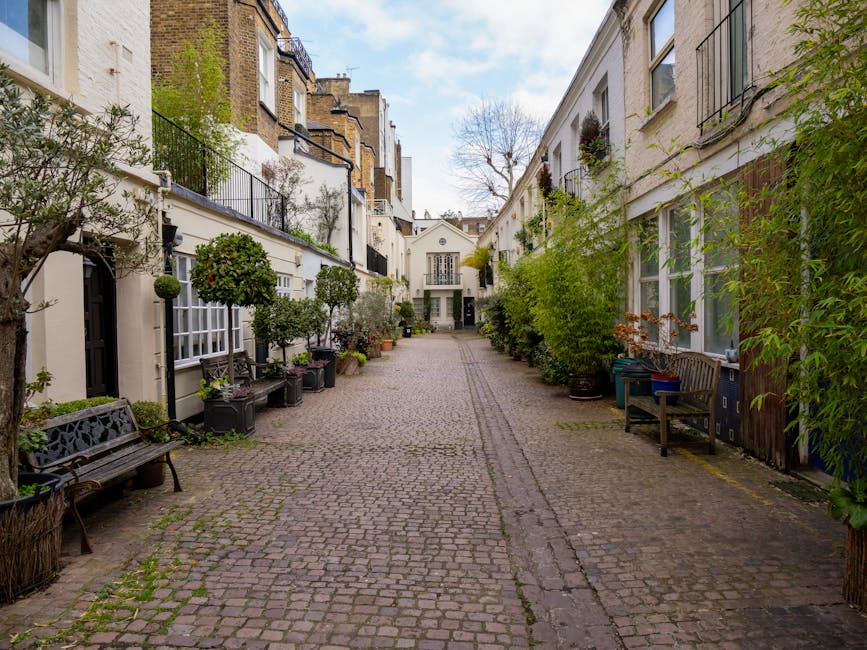
Delays and access problems booking gardeners for Aldgate mews

If you've ever tried arranging garden work in a mews, you'll know the headache can start before the gardener even arrives. Delays and access problems booking gardeners for Aldgate mews are usually not about one single issue; they're a mix of narrow entrances, parking limits, lift access, shared courtyards, resident schedules, and the simple reality that some jobs take longer to coordinate than a standard front-garden visit. In Aldgate, where space is tight and properties often sit behind gates, timing and access matter just as much as the work itself.
This guide breaks down why booking gets delayed, how access issues affect the job, what good planning looks like, and how to reduce the back-and-forth that wastes everyone's time. If you want a smoother experience, a little structure goes a long way. Truth be told, a well-prepared booking can feel like the difference between a calm morning and a very awkward one.
Expert summary: In mews properties, the biggest booking delays usually come from access uncertainty, parking restrictions, unclear entry instructions, and residents not confirming practical details early enough. Solve those first and the rest becomes much easier.
Why Delays and access problems booking gardeners for Aldgate mews Matters
Aldgate mews properties are rarely straightforward. They often involve shared entrances, limited loading space, private gates, and neighbours who quite reasonably do not want a hedge trimmer buzzing outside their window at the wrong moment. That means booking a gardener is not just about picking a date; it is about making sure the visit is actually workable on the day.
When access details are missing, everything slows down. The gardener may need to ask follow-up questions, reschedule, or bring a smaller kit than planned. A simple lawn visit can turn into a logistics exercise. And if the job is time-sensitive - say, an overgrown front approach, leaf clearance after bad weather, or hedge trimming before a building inspection - a delay can quickly become a bigger issue.
It also affects cost and service quality. If a team arrives and cannot get equipment in safely, the appointment may be shortened, split into multiple visits, or postponed. That is frustrating for everyone. In a mews setting, clarity upfront usually saves more time than rushing later.
For broader planning around repeat visits, it can help to look at garden maintenance support and the wider services overview so you can match the job to the property rather than forcing the property to fit the job.
How Delays and access problems booking gardeners for Aldgate mews Works
The booking process sounds simple on paper: request a quote, agree a time, and let the work begin. In practice, mews access changes the rhythm. A gardener often needs to know whether they can reach the garden by foot, bring tools through a side passage, park nearby, use a coded gate, or enter through a shared hallway. If any of that is uncertain, the booking may pause while the details are checked.
Here is what usually happens behind the scenes:
- Initial enquiry. You describe the job, the property layout, and the expected access route.
- Assessment. The gardener judges whether the work needs a site visit, photos, or additional labour.
- Scheduling. A slot is offered based on team availability and the time needed for access and setup.
- Confirmation. Entry instructions, parking notes, and any resident restrictions are confirmed.
- Arrival and setup. The crew checks access on arrival and starts the work, assuming no new barriers appear.
That last bit matters more than people think. A booking can look perfect in the inbox and still fail on the doorstep if a gate code is wrong or a neighbour has parked across the only approach. It happens. More often than most people admit.
The best bookings are those that reduce uncertainty. Clear photos, a short written access note, and a realistic understanding of the space can cut delays dramatically. If the job is part of a larger exterior refresh, you may also need to coordinate with landscaping support or, in some cases, landscape gardening if the property layout needs more than routine upkeep.
Key Benefits and Practical Advantages
Getting the access details right is not just about avoiding irritation. It has real advantages for the gardener and the resident.
- Faster confirmation: fewer follow-up messages, fewer delays, and a cleaner booking process.
- Better pricing clarity: the gardener can price the job more accurately when access is understood.
- Less disruption: neighbours, deliveries, and residents are less likely to be inconvenienced.
- Safer working conditions: equipment can be moved in and out without awkward lifting or unsafe shortcuts.
- More reliable completion: jobs are less likely to be split across multiple visits.
There is also a quieter benefit: trust. When you provide good access information, a gardener can see that the booking is serious and organised. That sounds minor, but in a busy local service business, organised jobs are easier to prioritise. The whole relationship tends to run smoother.
For one-off tidy-ups, this might be as simple as arranging garden clearance after a tenant move-out or using lawn mowing for a courtyard lawn that has outgrown its tidy look. For more frequent properties, scheduled upkeep works better and tends to reduce the last-minute rush.
Who This Is For and When It Makes Sense
This topic is especially relevant if you manage or live in a mews property with shared access, restricted parking, or a tucked-away garden behind a frontage. It is also useful for landlords, property managers, letting agents, and residents' associations who need exterior maintenance without creating a nuisance or a logistical mess.
It makes sense to think about access problems early if any of the following apply:
- the garden cannot be reached directly from the street;
- equipment needs to pass through a communal entrance;
- there is no easy parking nearby;
- the site has timed access windows;
- multiple residents need to approve entry;
- the work involves bulky waste, soil, cuttings, or larger tools;
- the garden has become overgrown and may need more than basic trimming.
That final point is common. A gardener may be booked for a tidy-up, but once on site it becomes clear the space needs tree lopping and removal or a fuller round of hedge trimming. The more complex the work, the more useful accurate access details become.
If you are unsure whether the issue is routine maintenance or a deeper redesign, the team at about us can give you a better sense of how the service is usually approached.
Step-by-Step Guidance
Here is a practical way to reduce delays and access problems before you book.
1. Map the route in plain language
Start with the actual path the gardener will use. Not the ideal path. The real one. Is there a side gate? A key safe? A coded door? Do they need to walk through a communal hallway with equipment? Write it down clearly.
2. Take a few useful photos
Three or four images are often enough: the front access point, the garden entrance, the work area, and any awkward space where tools might be moved. A quick phone photo in daylight usually says more than a paragraph of guessing.
3. Confirm parking and unloading options
In Aldgate, parking can be the difference between a tidy half-day job and a messy delay. If the team needs to unload near the entrance, say so early. If loading is impossible, mention the nearest workable point and how far the equipment must be carried.
4. Explain timing limits
If access is only possible between certain hours, say it at the point of enquiry. That includes shared building rules, resident preferences, and any quiet periods. A gardener can plan around restrictions if they know about them. If they find out on arrival, the day gets messy very quickly.
5. Match the job to the right service
Not every garden issue is a mowing job. Some spaces need a maintenance visit; others need a one-off clear-up or something more structural. Choosing the right service improves booking speed and reduces surprises. You can review options such as hedge trimming, lawn mowing, or broader garden maintenance depending on the condition of the space.
6. Confirm who can authorise entry
If the gardener needs to speak to a porter, neighbour, tenant, or building manager, make that clear before the day arrives. A single missed call can hold everything up. Simple, but true.
7. Put the access note in writing
A short written summary helps everyone. Keep it practical and specific. Avoid vague lines like "just ring when you get here." That tends to create more problems than it solves.
Expert Tips for Better Results
In our experience, the best mews bookings are the ones that treat access like part of the service, not a side issue. A few small habits make a noticeable difference.
- Book earlier than you think you need to. Mews jobs often need extra coordination, so leave some breathing room.
- Use one contact person. Multiple messages from different residents can slow things down and create conflicting instructions.
- Be honest about the state of the garden. If the space has been neglected for a while, say so. It is far better than promising a light tidy when the reality is closer to a jungle with ambitions.
- Flag fragile surfaces. Old paving, narrow steps, or delicate decking can change how equipment is moved.
- Ask what the team needs in advance. Some jobs need water access, waste disposal space, or power nearby.
One small but useful tip: if your garden backs onto a shared lane, check whether there are regular delivery patterns or bin collection times. A ten-minute overlap can cause a surprising delay. You will notice this more in compact London settings where one blockage becomes everyone's problem.
If the exterior space includes timber features or a more designed garden layout, it can help to understand related work too. For example, decking services may require different access care from simple pruning, especially where boards, edging, or finishes need protecting.
Common Mistakes to Avoid
A lot of booking delays come from a few avoidable mistakes. They sound small. They're not.
- Assuming access is obvious. What is obvious to the resident may be completely unclear to the gardener.
- Waiting until the day before to mention restrictions. By then, the booking may already be locked in.
- Using the wrong service description. Calling a major clear-up "just a quick tidy" sets the wrong expectation.
- Ignoring waste removal. Cuttings, branches, and debris do not vanish on their own. Sadly.
- Forgetting shared approval. In mews properties, other people may need to know the visit is happening.
- Not checking insurance or safety information. For more formal arrangements, it is worth reviewing insurance and safety and the company's health and safety policy.
Another quiet mistake is ordering the work in the wrong sequence. For example, if a tree limb is blocking access, that may need dealing with before any general garden work can begin. If you are unsure, ask whether the job needs an initial assessment rather than guessing.
Tools, Resources and Recommendations
You do not need specialist software to make a mews booking work. A few simple tools are usually enough.
| Tool or resource | What it helps with | Why it is useful |
|---|---|---|
| Phone camera | Photos of gates, paths, and work areas | Reduces confusion before the visit |
| Shared note or message thread | Access codes, arrival windows, and contact names | Keeps everyone aligned |
| Simple site sketch | Route from street to garden | Helps explain awkward layouts |
| Calendar reminder | Resident access times and job date | Prevents missed handovers |
| Service comparison | Matching the right work to the garden | Stops overbooking or under-scoping |
For recurring maintenance, it is often better to build a regular cadence than to wait for the garden to get out of hand. That could mean combining hedge work, mowing, and clearance across a few visits instead of trying to solve everything in one rushed appointment. The pricing and quotes page is useful when you want a clearer picture of how different job types are usually approached.
If sustainability matters to your building or household, you may also want to review recycling and sustainability. Waste handling and green disposal choices can be part of the planning conversation, especially when there is a fair bit of cut material.
Law, Compliance, Standards, or Best Practice
Not every booking issue is legal, but some practical standards do matter. In the UK, garden work and access arrangements are usually shaped by a mix of property rules, landlord requirements, health and safety expectations, and basic duty of care. That means the important question is often not "can the work be done?" but "can it be done safely, legally, and without upsetting the building?"
Good practice usually includes:
- clear permission for access before arrival;
- safe movement of tools and materials through the property;
- attention to trip hazards, slippery surfaces, and blocked walkways;
- proper handling of waste and garden debris;
- respect for shared spaces and neighbours;
- transparent terms around timing, scope, and any limits on the work.
If the arrangement is part of a larger residential or managed-property setup, the terms and conditions should be read carefully so expectations are clear. Likewise, if you are dealing with a building with a step-free route, signage, or communication needs, the accessibility statement can be a helpful reference point for how the business approaches inclusive access.
One more thing: if there is any concern about how work is organised or handled, a clear complaints procedure is part of a trustworthy service. Most bookings go fine, but if something goes wrong, you want a direct path to resolve it.
Options, Methods, or Comparison Table
When booking gardeners for a mews property, there are usually three practical ways to handle access. Each has trade-offs.
| Method | Best for | Pros | Cons |
|---|---|---|---|
| Open-access booking | Simple, unfussy layouts | Fast to arrange, little admin | Risky if the property is actually more complex than expected |
| Pre-checked access booking | Shared entrances and narrow routes | More accurate timing and smoother arrival | Takes a bit longer to organise |
| Site-visit first | Overgrown or unusual properties | Reduces surprises and pricing errors | Can add an extra appointment before work begins |
For most Aldgate mews settings, pre-checked access is the sensible middle ground. It avoids the false economy of rushing in blind. If the property is particularly complicated, a site visit may save time overall. Sometimes the cheapest-looking option becomes the slowest one. Funny how that works.
Case Study or Real-World Example
Imagine a small mews courtyard off a quiet London street. The resident wants hedge trimming and a tidy-up before guests arrive at the end of the week. On paper, the job looks straightforward. But the access is through a coded gate shared by several households, parking is limited to a loading bay three doors away, and the garden entrance is around the back with a narrow path and one awkward step.
In the first attempt, the gardener is given only the postcode and a vague "someone will let you in." On the day, nobody is free to meet them, and the gate code has changed. The appointment slips. Frustrating, but predictable.
On the second attempt, the resident sends photos of the gate, confirms a contact number, gives the best unloading point, and explains that the rear path is too narrow for larger equipment. The gardener brings the right tools, arrives with a realistic plan, and completes the work without drama. Same garden, same team, very different outcome.
The lesson is simple: access details are not paperwork for the sake of it. They are part of the service itself. When they are done well, the visit feels almost effortless.
Practical Checklist
Use this checklist before confirming a booking:
- Have I described the exact garden access route?
- Have I shared gate codes, key arrangements, or entry contacts if needed?
- Have I confirmed parking or unloading options?
- Have I explained any timed access restrictions?
- Have I said whether the job is light maintenance, clearance, hedge work, or something bigger?
- Have I shared photos of the entrance and work area?
- Have I told other residents or building contacts that a visit is booked?
- Have I checked for steps, narrow paths, or fragile surfaces?
- Have I asked about waste removal or cuttings disposal?
- Have I reviewed any relevant terms, safety, or payment information before confirming?
If you can tick most of those off, you are already ahead of the curve. Not perfect, just prepared. And that usually makes all the difference.
Get a free quote today and see how much you can save.
Conclusion
Delays and access problems booking gardeners for Aldgate mews are common, but they are also very manageable. The key is to treat access as part of the job from the beginning, not something to sort out later. When you provide clear instructions, realistic photos, and a proper sense of the property layout, the whole process becomes calmer, quicker, and far more reliable.
That is especially true in mews properties, where one small block can cause a chain reaction. Good planning is rarely glamorous, but it saves time, reduces stress, and protects the quality of the work. In a place like Aldgate, where outdoor space is precious and access can be fiddly, that's worth doing properly.
If you want to explore the wider service offering, you can also look at the full services overview and, when you are ready, use contact us to discuss the practical details before the booking is confirmed.
Small details. Big difference. That's usually how it goes.
Frequently Asked Questions
Why do garden bookings in Aldgate mews take longer than standard houses?
Mews properties often have shared entrances, narrow access routes, limited parking, and extra people involved in entry. All of that adds coordination time, even if the garden itself is not especially large.
What information should I give a gardener before they visit a mews property?
Give them the access route, gate or door instructions, parking details, timing restrictions, photos of the route, and the exact type of work needed. The clearer the brief, the fewer delays later.
Can a gardener work if there is no nearby parking?
Sometimes yes, but it depends on the size of the job, the equipment needed, and how far tools must be carried. If parking is difficult, tell the gardener early so they can plan properly.
Do access problems usually change the price?
They can. If equipment is harder to move, more time is needed for setup, or the job has to be done in stages, the quote may reflect that. Good access information helps keep pricing accurate.
What if a gate code or entry arrangement changes on the day?
Tell the gardener as soon as you know. A changed code is one of the most common reasons for last-minute delays, and early notice gives the team a chance to adapt.
Should I book a site visit first?
If the garden is overgrown, hidden, or awkward to reach, a site visit is often worth it. It can prevent a wrong quote and make the actual visit much smoother.
Is hedge trimming harder to book than lawn mowing in a mews?
Often yes, because hedge trimming may need more setup, careful access, and more time on site. Lawn mowing can be simpler, but even that depends on how easy it is to get equipment into the garden.
What should I do if neighbours may be affected by the visit?
Let them know the time window if that is appropriate for the building. In shared spaces, a little courtesy goes a long way and can prevent avoidable friction.
Are garden clearance jobs more likely to face access issues?
Yes, because clearance usually involves more waste, more movement, and often more equipment. If the route is tight, the gardener needs to know that before arrival.
How can I reduce delays when booking maintenance for a mews courtyard?
Use one point of contact, share photos, confirm access and parking, and choose the right service from the start. Regular maintenance is much easier to schedule when the basics are already clear.
What if the gardener cannot safely access the garden on arrival?
They may need to reschedule, change the scope of work, or ask for additional help. That is why safety and access details matter so much before the day of the visit.
Where can I learn more about your service standards and policies?
You can review practical pages such as the insurance and safety information, the health and safety policy, and the recycling and sustainability approach to understand how work is handled.